
Development and Enhancement of a Mediation-Based Resolution Method for Strengthening the Institutional Ecosystem

This project aims to develop a comprehensive mediation-based resolution model that supports the constructive, peaceful, and sustainable management of internal institutional conflicts. By approaching disputes as part of an institutional ecosystem, the project positions mediation as a strategic mechanism that strengthens organizational culture, communication, and cooperation. The model developed is designed to be applicable public and private sector institutions.
Conducted within the scope of BAP 2219, the project entitled “Development and Enhancement of a Mediation-Based Resolution Method for Strengthening the Institutional Ecosystem” aims to develop a comprehensive mediation model designed to resolve internal institutional conflicts through constructive, peaceful, and sustainable methods. The project approaches conflicts not merely as individual problems, but as ecosystem-related issues directly connected to organizational structure, communication patterns, and institutional culture. Within this framework, mediation is positioned not only as a dispute resolution tool, but as a strategic mechanism that strengthens organizational culture and enhances cooperation.
Within the scope of the project, an extensive literature review was conducted, and the causes and resolution dynamics of internal institutional conflicts were analyzed from a multidimensional perspective. Survey studies were carried out with the participation of academic and administrative staff, and the findings were further supported through focus group discussions and expert evaluations. During this process, particular attention was given to the human resources perspective, and the roles of communication deficiencies, ambiguities in authority and responsibility, and differences in working styles in generating conflict were systematically examined.
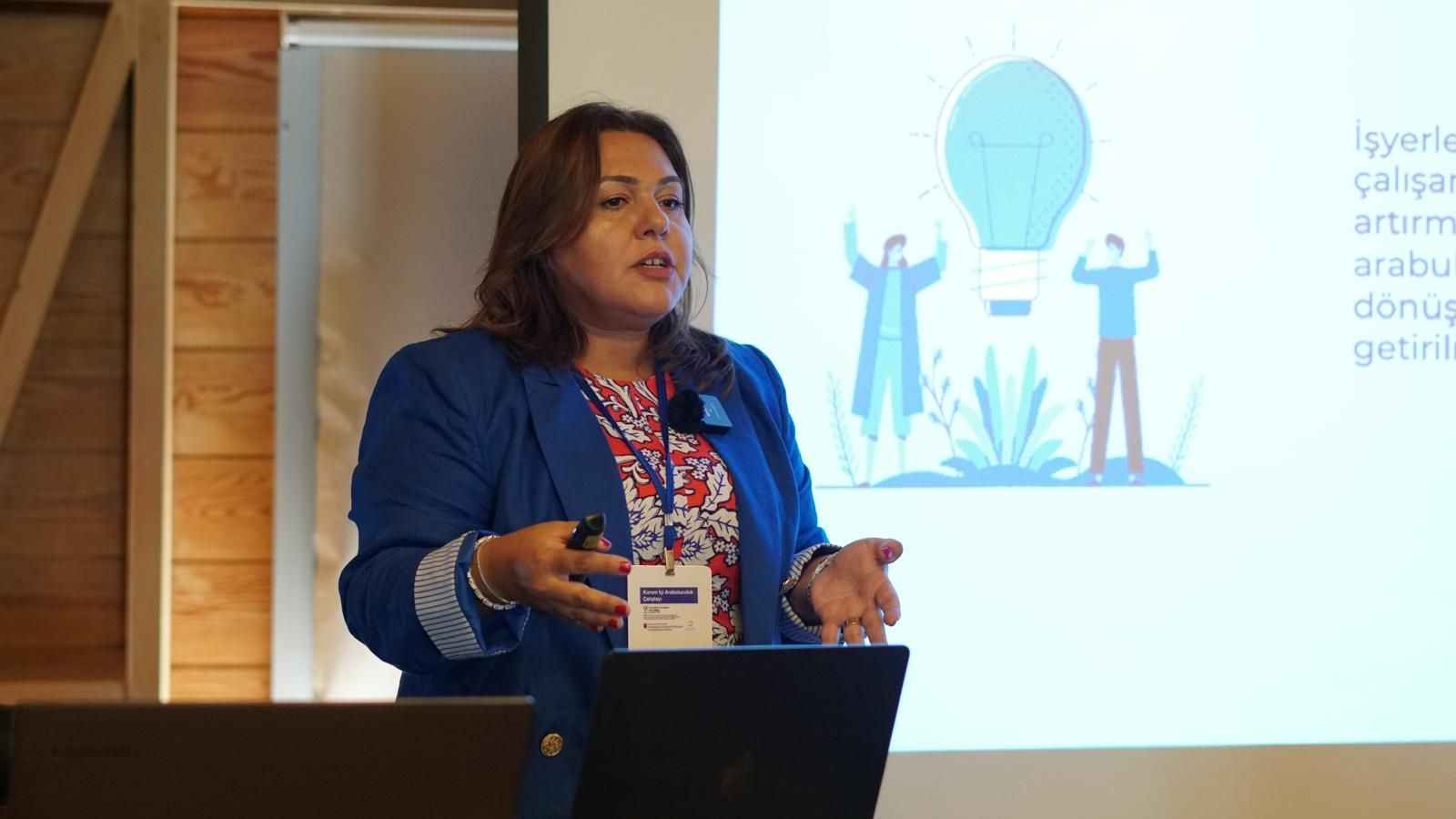
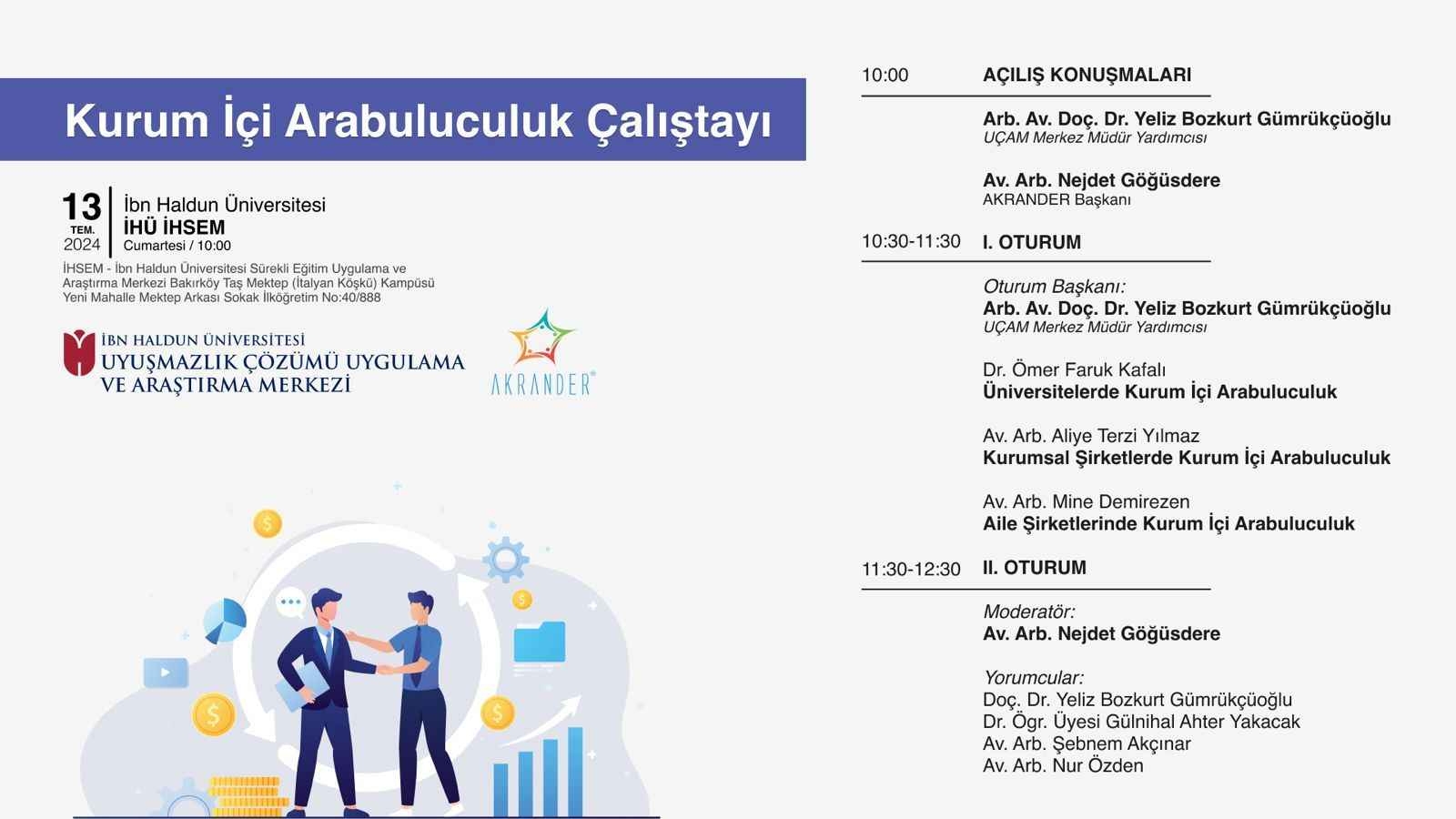
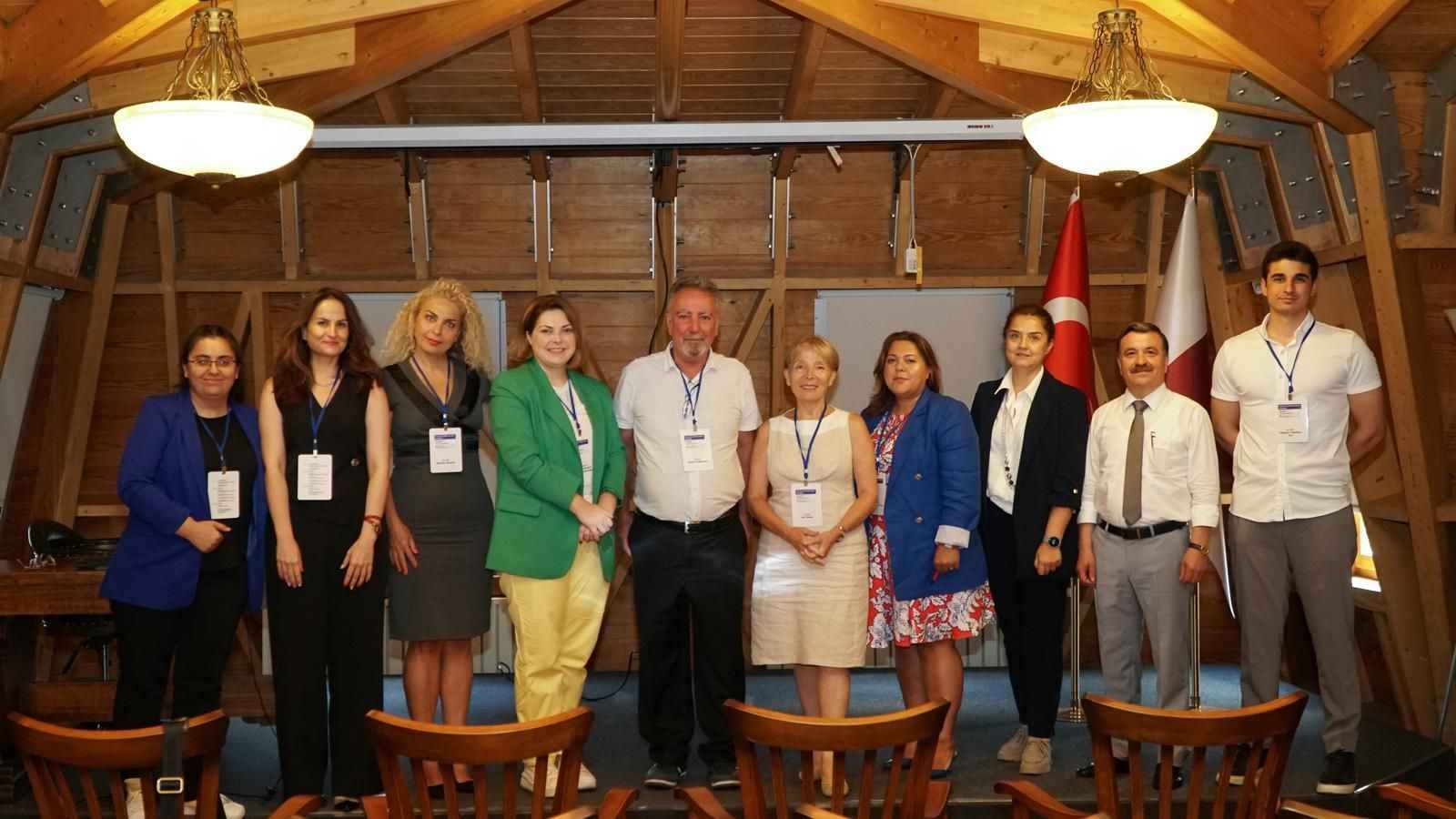
One of the core components of the project was a workshop organized with the participation of experienced mediators and academic experts in the field. During the workshop process, existing challenges related to internal mediation practices were discussed, best practice examples were evaluated, and the fundamental principles of an applicable institutional mediation system were identified. Based on these outputs, an adaptable, transparent, and functional internal mediation model was developed for institutional use.
The developed model is built upon the principles of neutrality, voluntariness, confidentiality, and trust. The boundaries of the mediation process were clearly defined, and it was explicitly emphasized that mediation is not an appropriate method in cases such as sexual harassment or severe mobbing. This approach prioritizes the application of mediation within the correct context and with appropriate tools, thereby aiming to strengthen the effectiveness and credibility of the method.
As a result of the project, it is intended to contribute to the resolution of internal institutional conflicts at an earlier stage, without resorting to violence or judicial proceedings. Survey findings indicate that the majority of employees believe mediation will strengthen institutional peace and a culture of cooperation. In this respect, the project aims to contribute not only to conflict resolution, but also to increased organizational belonging, improved communication quality, and enhanced institutional efficiency.
The “Institutional Ecosystem–Enhancing Mediation” Project presents a model that is applicable to universities as well as public and private sector institutions. The developed curriculum framework and implementation structure are suitable for integration into training programs. In the long term, the project aims to contribute to academic literature through scholarly publications and new research initiatives, while also promoting the dissemination of mediation culture by encouraging inter-institutional cooperation.
Photos



Related Content